How many drug suffixes do I need to know for the PTCB exam?
About 25 covers the high-yield patterns. The cardiovascular set (-pril, -sartan, -olol, -dipine, -statin) plus the antibiotic and diabetes endings appear most often on practice exams.
By the RxReflex Content Team
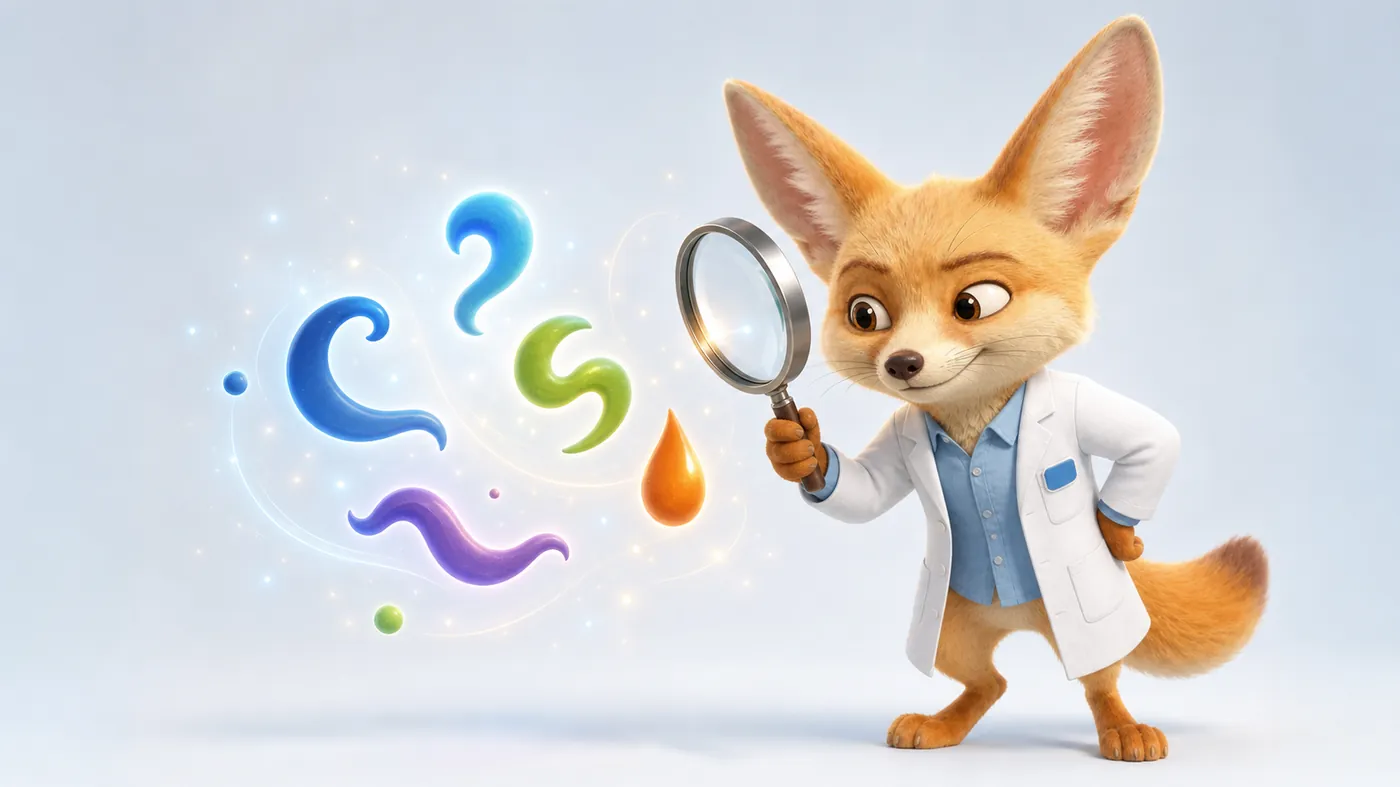
Drug names follow patterns: the ending of a generic name usually tells you its class. -pril = ACE inhibitor, -sartan = ARB, -olol = beta blocker, -statin = cholesterol, -prazole = PPI. Learn about 25 suffixes and you can classify a huge share of the Top 200 drugs without memorizing them one by one.
Generic drug names aren't random — the ending (the “stem”) is assigned by class. That means you can walk into the exam never having seen benazepril and still know it's an ACE inhibitor, because it ends in -pril. Instead of memorizing 200 individual drugs, you learn ~25 endings and decode most names on sight. It's the single highest-leverage study trick for the Medications domain (35% of the 2026 PTCE).
| Suffix | Drug class | Used for | Top 200 example |
|---|---|---|---|
| -pril | ACE inhibitor | Blood pressure, heart failure | lisinopril (Zestril) |
| -sartan | ARB | Blood pressure (no ACE cough) | losartan (Cozaar) |
| -olol | Beta blocker | Blood pressure, heart rate | metoprolol (Lopressor) |
| -dipine | Calcium channel blocker (DHP) | Blood pressure | amlodipine (Norvasc) |
| -statin | HMG-CoA reductase inhibitor | Cholesterol | atorvastatin (Lipitor) |
| -xaban | Factor Xa inhibitor (DOAC) | Blood clots | apixaban (Eliquis) |
| -osin | Alpha-1 blocker | BPH, blood pressure | tamsulosin (Flomax) |
| Suffix | Drug class | Used for | Top 200 example |
|---|---|---|---|
| -prazole | Proton pump inhibitor | Acid reflux, ulcers | omeprazole (Prilosec) |
| -tidine | H2 blocker | Heartburn | famotidine (Pepcid) |
| -setron | 5-HT3 antagonist | Nausea/vomiting | ondansetron (Zofran) |
| -cillin | Penicillin antibiotic | Bacterial infections | amoxicillin (Amoxil) |
| -cycline | Tetracycline antibiotic | Bacterial infections | doxycycline (Vibramycin) |
| -thromycin | Macrolide antibiotic | Bacterial infections | azithromycin (Zithromax) |
| -floxacin | Fluoroquinolone antibiotic | Bacterial infections | ciprofloxacin (Cipro) |
| -azole | Antifungal | Fungal infections | fluconazole (Diflucan) |
| -cyclovir | Antiviral | Herpes, shingles | acyclovir (Zovirax) |
| -terol | Beta-2 agonist (bronchodilator) | Asthma, COPD | albuterol (ProAir) |
| Suffix | Drug class | Used for | Top 200 example |
|---|---|---|---|
| -gliptin | DPP-4 inhibitor | Type 2 diabetes | sitagliptin (Januvia) |
| -gliflozin | SGLT2 inhibitor | Type 2 diabetes | empagliflozin (Jardiance) |
| -glutide | GLP-1 agonist | Type 2 diabetes, weight | semaglutide (Ozempic) |
| -zepam / -zolam | Benzodiazepine (C-IV) | Anxiety, seizures | alprazolam (Xanax) |
| -triptan | 5-HT1 agonist | Migraine (abortive) | sumatriptan (Imitrex) |
| -sone / -lone | Corticosteroid | Inflammation | prednisone (Deltasone) |
| -prost | Prostaglandin analog | Glaucoma | latanoprost (Xalatan) |
| -mab | Monoclonal antibody (biologic) | Autoimmune, cholesterol & more | adalimumab (Humira) |
When a question shows an unfamiliar generic name, scan the ending FIRST. Even if you've never seen the drug, the suffix usually eliminates two or three answer options instantly.
About 25 covers the high-yield patterns. The cardiovascular set (-pril, -sartan, -olol, -dipine, -statin) plus the antibiotic and diabetes endings appear most often on practice exams.
Usually, but not always — tramadol (an opioid) is not a beta blocker, and carvedilol is a beta blocker despite its irregular ending. Treat suffixes as a fast first read, then confirm with the drug's actual class.
Far less than suffixes. The ending of a generic name is where the class signal lives. Prefixes mostly matter for look-alike/sound-alike safety — see our LASA guide.
Drill them as flashcards in both directions (suffix → class, drug → class), then immediately test yourself on real Top 200 drugs so the pattern connects to actual names.

RxReflex turns the Top 200 drugs into fast flashcard rounds, a guided Learn path, pharmacy math, and 40+ cheat sheets. Free to start.
 What Changed on the 2026 PTCB ExamNew domain weights, what was removed, and how to adjust your study plan.
 LASA Drugs Cheat SheetThe look-alike/sound-alike pairs the exam loves — and how Tall Man letters keep them straight.
 How to Memorize the Top 200 DrugsThe decode-first method: suffixes, class grouping, and spaced repetition that actually sticks.
Prefer a printable version? Grab “The PTCB Pass Code” free PDF — the highest-yield facts, formulas & traps on 22 pages.
Written and reviewed by the RxReflex Content Team. Educational use only — not medical advice. Exam policies and fees are set by PTCB — always confirm details at ptcb.org. Verify clinical specifics with your pharmacist or a current label source such as DailyMed. RxReflex is not affiliated with or endorsed by the Pharmacy Technician Certification Board (PTCB).